
In the world of digital inkjet printing, color accuracy is everything. Whether you are producing a vivid garment design, a promotional banner, or high-end packaging, the way colors are represented and translated across devices determines the final print quality. However, colors on your monitor often appear differently when printed — a common frustration for print novices. Why does this happen? The answer lies in color management systems such as ICC profiles, and in understanding the differences between RGB, CMYK, HSB, and Lab color spaces.
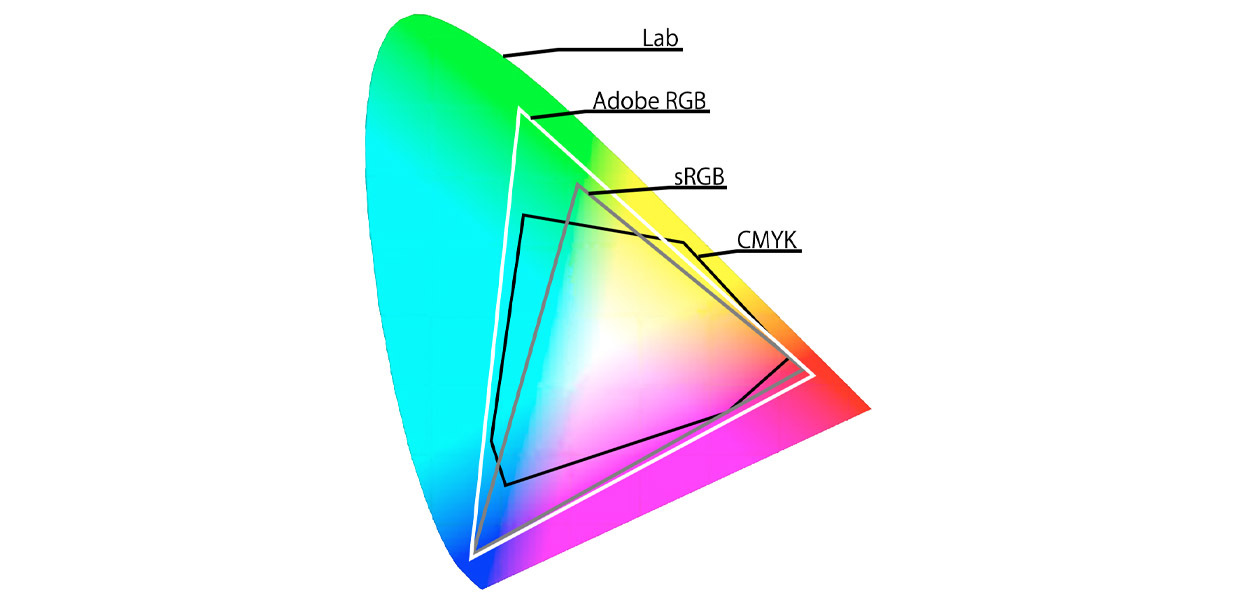
ICC stands for International Color Consortium. The ICC established a universal color management framework that allows consistent color reproduction across different devices and software systems. When you print a document or an image, it might appear discolored compared to what you see on your screen. This discrepancy occurs because the display uses the RGB color space, while printers work in CMYK. The two systems have different color gamuts, meaning they can each represent only a portion of all visible colors.
An ICC profile acts as a “translator” between these color systems. It ensures that the colors displayed on a monitor match as closely as possible to the colors printed on paper or fabric, by compensating for the color differences between devices.
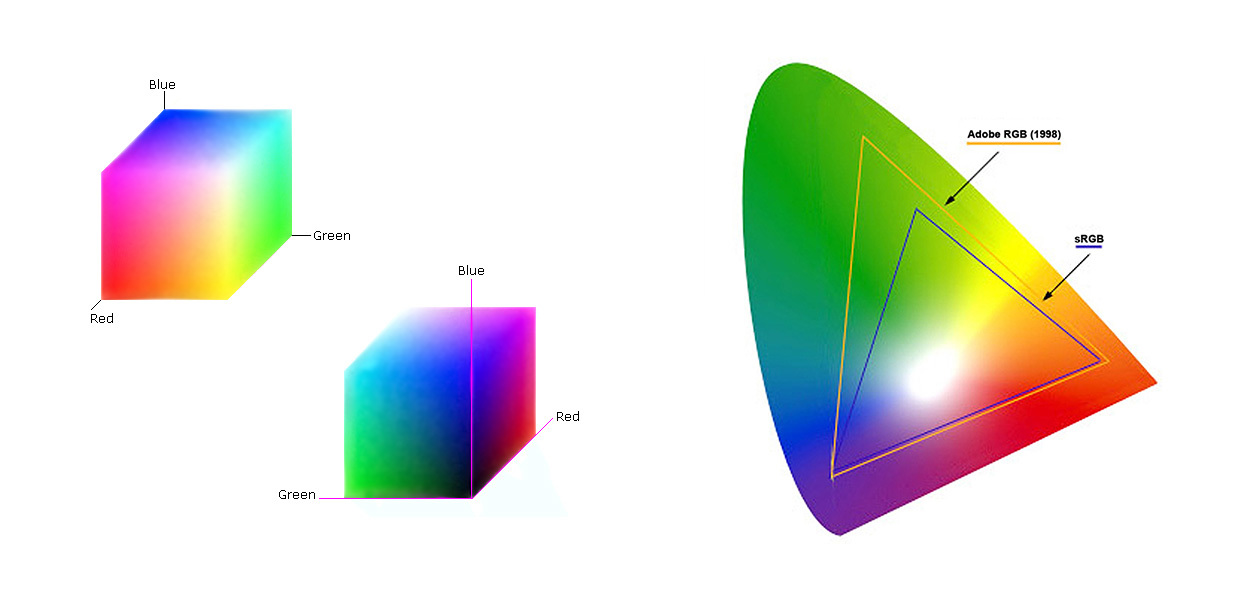
The RGB color space is based on three primary colors — Red, Green, and Blue — and is an additive color model widely used in displays such as televisions, computer monitors, and smartphones. Colors are created by varying the intensity of these three channels, and each pixel can display up to 16.7 million colors (256 × 256 × 256).
The most common RGB standards are sRGB and Adobe RGB.
RGB is ideal for on-screen visualization, but since printers do not use light to produce color, this mode must be converted to CMYK for printing.
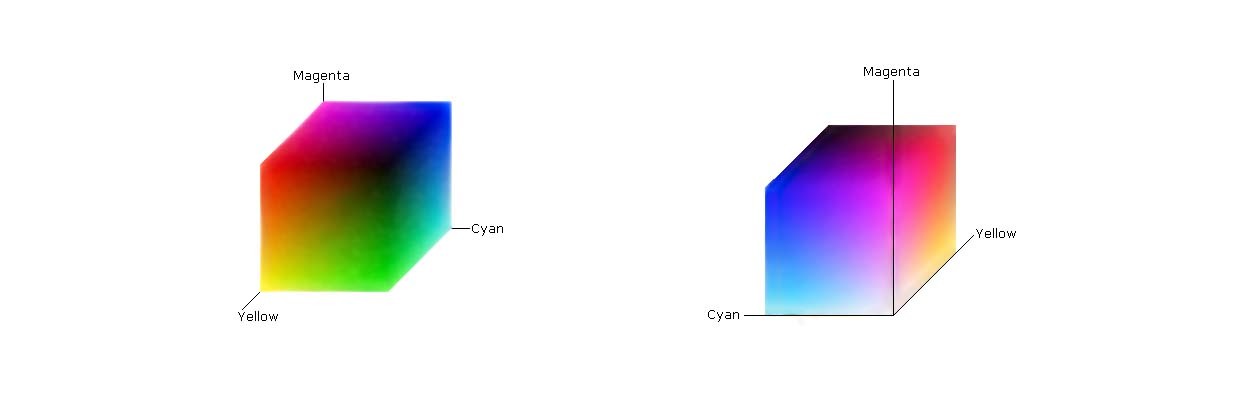
The CMYK color model uses four inks: Cyan (C), Magenta (M), Yellow (Y), and Black (K). Unlike RGB, which mixes light, CMYK mixes pigments — a subtractive process used in printing.
While CMYK is essential for accurate print output, its gamut is smaller than RGB. This means some bright or vivid colors you see on screen may not appear exactly the same when printed. Converting files from RGB to CMYK ensures that your designs are compatible with the printer’s color capabilities, resulting in more realistic and consistent prints.
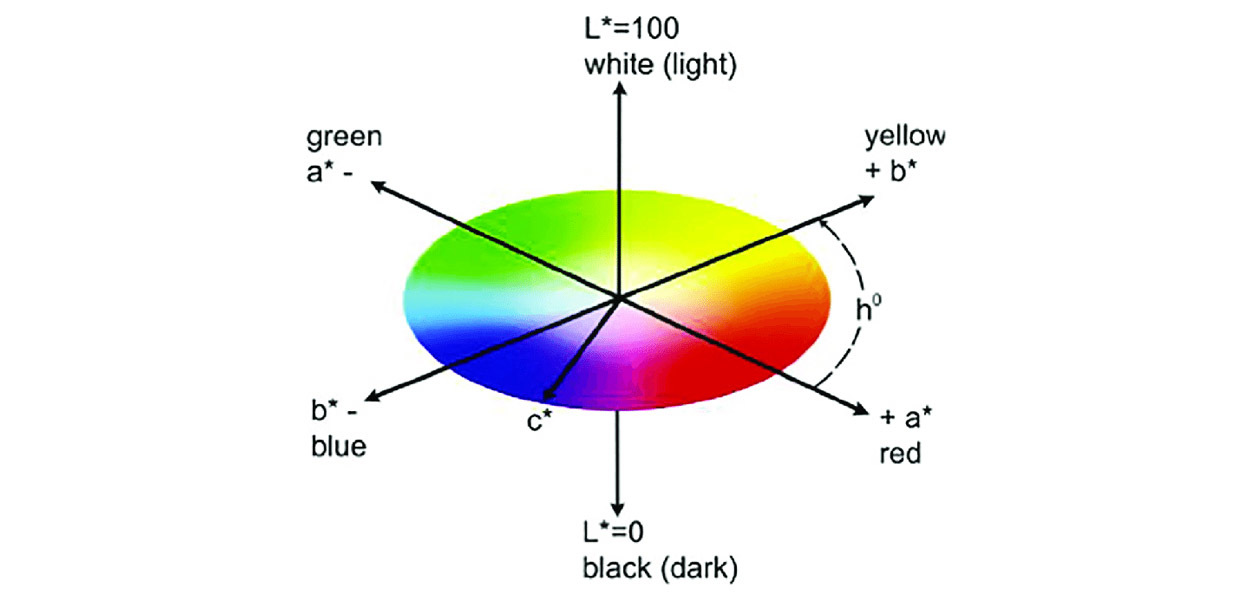
The Lab color model (officially known as CIELAB) was standardized by the Commission Internationale de l’Éclairage (CIE). It is a device-independent color model — meaning it represents colors based on human visual perception, not limited by screens or printers.
Lab color is defined by three components:
Lab covers the widest color gamut of all major color spaces — even broader than what the human eye can perceive. Because of its accuracy, Lab color is often used in professional color calibration and ICC profile creation, ensuring consistent reproduction across various devices and materials.
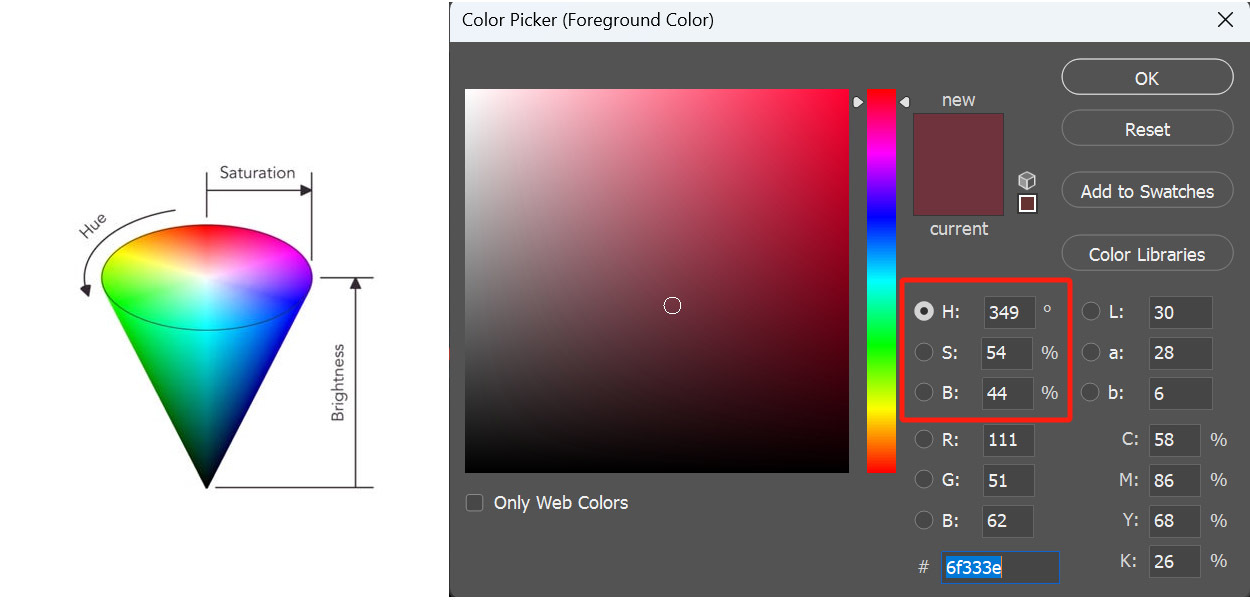
HSB (Hue, Saturation, Brightness) is a color model based on human perception.
This intuitive model is popular among designers because it allows for easy and direct color adjustments without deep technical knowledge. It’s particularly useful for creative applications and quick visual editing in software like Photoshop or Illustrator.
Color deviation — when prints appear different from screen previews — can result from several factors:
ICC profiles are generated using professional color management tools, such as X-Rite spectrophotometers.
For large-format printers, ICC profiles are imported into RIP software (e.g., FlexiPrint, Wasatch, Onyx) to optimize output accuracy. Desktop printers, however, often come with built-in color profiles, as their media range is limited.
Each printing technology — DTF or sublimation — requires precise color management to unlock its full potential. Understanding and managing color through ICC profiles is the foundation of professional inkjet printing. It not only ensures what you see is what you get, but also helps print businesses deliver precise, high-quality results across all applications — from textiles to signage and beyond.

