Categories
Moisture And Sublimation: Great Enemies!
Well, this happens very often when we work in Sublimation, because there are several factors that can affect the process, and one of them and the most frequent is HUMIDITY!
Dec 17th,2021
1451 Views
Are you sublimating as you usually do, with the same procedure, inputs, time, temperature, but is it looking bad? How can it be?
Well, this happens very often when we work in Sublimation, because there are several factors that can affect the process, and one of them and the most frequent is HUMIDITY!
Some countries have a very humid climate, which increases in the winter months, reaching an average of 80-90%. Therefore, it is one of the factors with which we have to learn to deal.
To understand a little more why humidity affects sublimation so much, we must delve a little into the chemistry of this process.
Sublimation itself is a chemical process where an element goes directly from the solid to the gaseous state, without going through the liquid state.
When we talk about sublimation is transforms the sublimable ink to the gaseous state, so that it can be absorbed and transferred to the polymer that is on the surface of the substrate. Sublimation ink is made up of small solid particles, which are fixed to the sublimation paper when printed. By placing it on the substrate (object) and taking it to a heat press, by the action of heat and pressure, the chemical process begins where the ink goes from the solid-state in which it is found, to the gaseous state.
For its part, the polymer-coated surface of the substrate also reacts to heat, causing these polymer molecules to open and capture the gaseous sublimable ink inside. When the substrate is removed from the press, and as it cools, the molecules close and the ink returns to its solid-state again. And this is how the "magic" of sublimation happens!
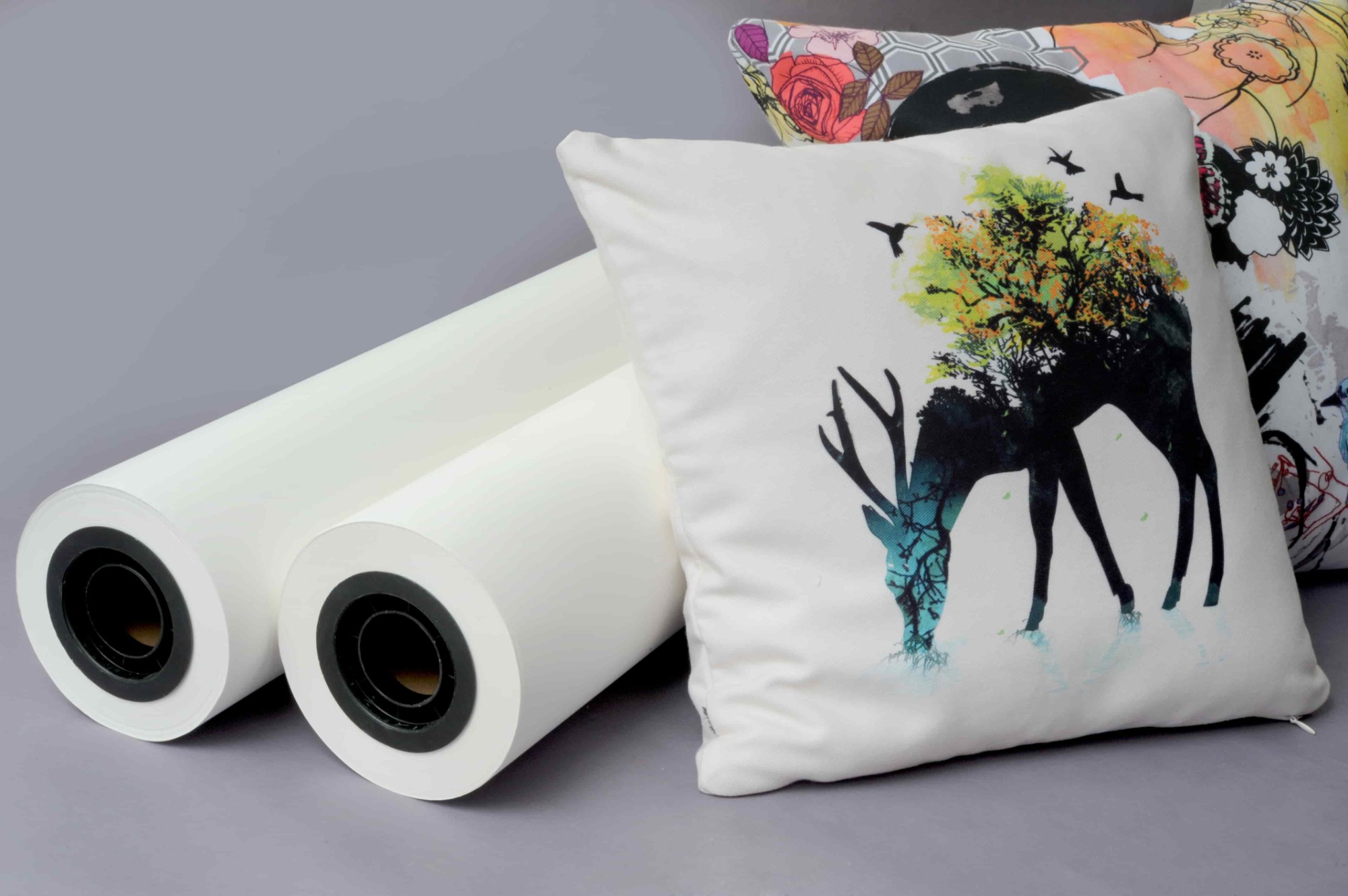 Now that we know a little more about the chemistry of sublimation, we can better understand why moisture affects this process. Imagine the water vapor from the environment mixed with the ink as you sublimate. This will displace and interfere with the fixation of the ink on the polymer, resulting in very common and characteristic defects, such as:
Changes in the hue of the color.
Shifting colors out of the layout, known as color bleed.
Stains or lighter areas.
Blurred or "clumpy" effects.
One of the items most affected by moisture is sublimation paper, which tends to absorb it quickly, achieving poor ink penetration and releasing steam at the time of sublimation due to the effect of heat. Some surfaces such as fabric are able to absorb this excess moisture adequately, but rigid items such as metals or ceramics do not have this property and the moisture simply remains on the surface displacing the ink. As we have seen, humidity is a great enemy of sublimation and we must take measures to minimize its impacts.
Recommendations to combat humidity problems in sublimation:
Humidity and Ambient Temperature
The suitable temperature to sublimate is between 15 ° C and 25 ° C and a humidity between 35% and 65%. If the humidity is high, using a room dehumidifier may be a good idea. You just have to be careful that the humidity does not drop below 35% since a very dry environment can affect inks, printer heads, and other equipment.
Care with the Paper
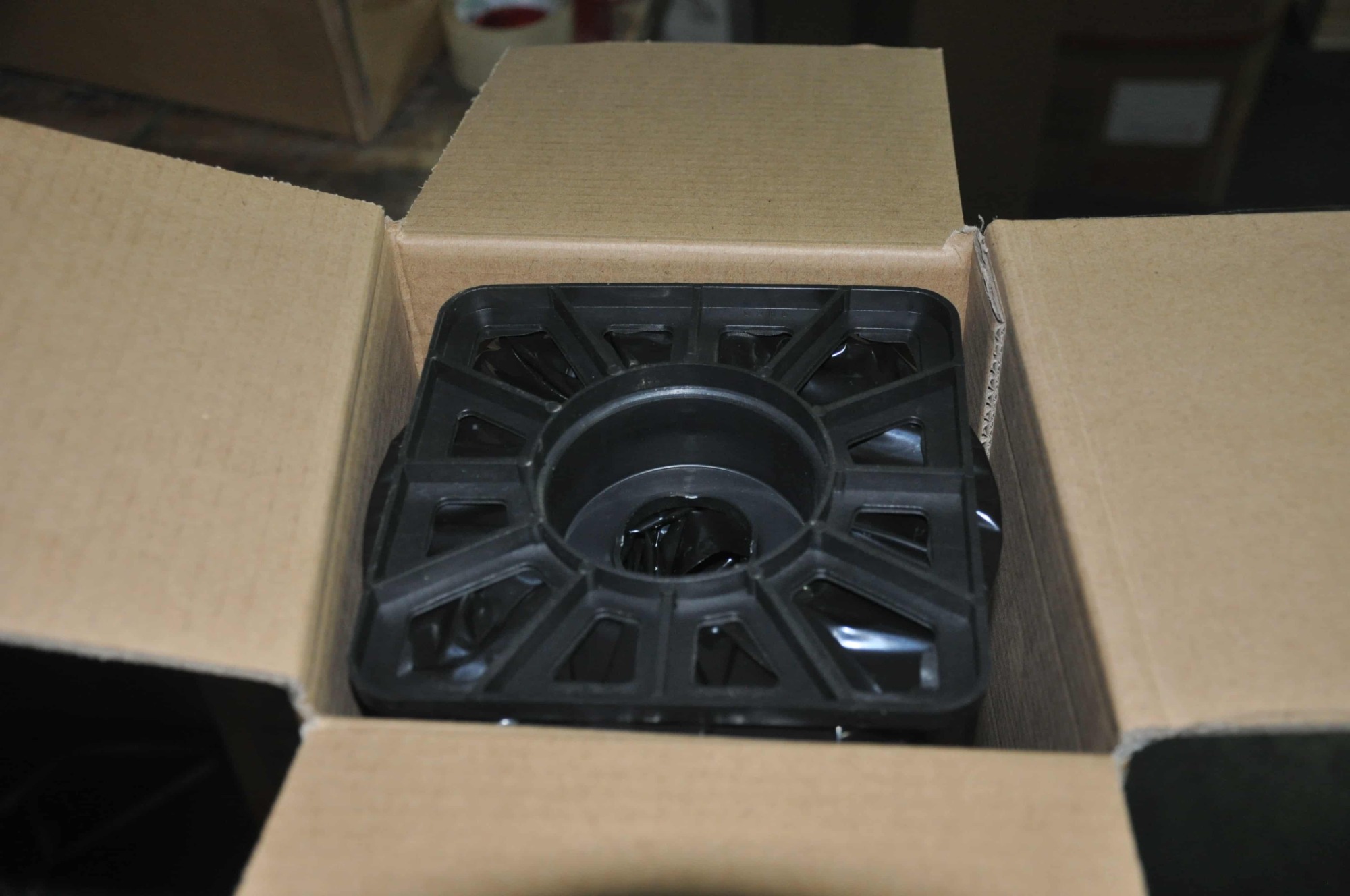
You must protect the sublimation paper very well from humidity and storage is key to this. Store it in a dry place, in its original packaging, nylon bag, or plastic container with a lid or similar.
If you keep it in a closet or closed place, you can get some calcium chloride flakes (which are used to absorb moisture in small spaces) and that can help you keep it drier.
 Paper drying
After printing, let the paper dry for a few minutes, close to a heat source, in a flat press (always open), or even with a hairdryer. These are little tricks that will help you dry the ink and evaporate any moisture that the paper may have before sublimating. Don't overdo the drying time, as the paper tends to warp and can burn.
Substrates pre-pressing
Something that also helps to reduce the humidity in the objects to be sublimated, is to preheat them for about 20 seconds, before placing the sublimation paper on them. Fabric and MDF or wood items accumulate more moisture than ceramics and metals, and preheating helped evaporate it.
Extra paper to absorb moisture
After covering the substrate with the sublimation paper, you can place a paper that absorbs moisture on top. It can be a simple photocopy paper. During pressing, this paper will help absorb excess moisture from both the paper and the object. You should use a clean, new paper at a time.
Quick-dry paper
During periods of higher humidity, we recommend using Quick Dry Sublimation papers such as Fast Dry Sublimation Paper from Hanrun paper®.
Sublimate in times of more humidity can become a challenge, but if you take the aforementioned precautions, you will surely minimize the possible problems caused by it.
Subtextile Co. Ltd.
Address:699-18 Xuanwu Avenue, Nanjing City, China, 210000
Tel |Fax:+86 25 85416407 (GLOBAL)
Cell:+86 17798509616
Whatsapp:0086 17798509616
E-mail:info@subtextile.com


